
What is hydrolat (hydrosol)?
Hydrolats are aromatic waters.
When aromatic plant materials are steam distilled, the water becomes infused with the plant’s water-soluble components.
Here’s how the hydrolat distillation process works…
- The botanical material is loaded into a still along with pure water. (At Aromatics, we use pristine mountain well water).
- Pressurized steam passes through the plant, breaking open its essential oil “sacs.”
- As the steam passes through a cooling coil, it condenses back into a liquid—a combination of water and essential oil.
- The essential oil naturally separates, floating to the top.
- And the water is now hydrolat!

Hydrolats offer aromatherapists another way to work with therapeutic plants, which has gentler effects than essential oils, but with similar properties. Hydrolats, also referred to as floral waters, also contain carboxylic acids which have antioxidant and anti-inflammatory properties that can help to soothe and heal the skin.
Hydrolats vs essential oils: how are they different?
Simply put, the hydrolat is a water-based product, while the essential oil is… well, oil! A hydrolat contains the plant’s hydrophilic (water-loving) components, while the essential oil contains its lipophilic (fat-loving) components. They do contain very small trace amounts of essential oil, but not enough to where the oil will separate and float to the top (you don’t have to shake a hydrolat before using it).
In her book, Hydrosols: The Next Aromatherapy, author Suzanne Catty says:
“Hydrosols contain all of the plant in every drop…
“Here we have the water-soluble components, the essential oil molecules, the very fluid that was flowing through the plant cells when the plant was collected. It’s all there in a matrix of water that is so much more than water…”
When essential oils aren’t the right choice, hydrolats give aromatherapists a more delicate option to work with.
And using a hydrolat in addition to an essential oil allows an aromatherapist to get the full spectrum of the plant’s benefits—the oil-based components and the water-based ones.
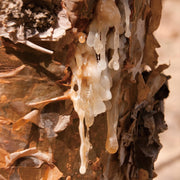
Another interesting difference between hydrolats and oils is their aromas. Since the two substances contain different components, an essential oil and hydrolat produced from the same plant matter will often (but not always) have a different aroma. For example, myrrh hydrolat often smells different from myrrh essential oil. Lavender hydrolat, however, smells similar to lavender essential oil.
Using hydrolats safely
Another difference between hydrolats and essential oils is that hydrolats tend to be much gentler in nature.
The safe, effective practice of aromatherapy relies on a common principle of natural care: less is more.
We want to give the body what it needs to rebalance itself, without becoming overwhelmed. “Less is more” is also better for the plants, as we use ecologically sustainable practices to harvest only what we need, and use every part of the distillation.
Hydrolats can help rebalance the body, especially when used regularly. While they’re gentler than essential oils, their effects can be profound.
Most of them can be applied to your skin undiluted, without concerns that they’ll cause irritation. Unlike essential oils, spraying them directly onto your face is generally safe, and some hydrolats—such as German chamomile and cornflower—are even gentle enough to use in a compress for your (closed) eyes. People with sensitive skin tend to love the soft yet soothing effects of hydrolats.
They can even be used for babies and animals. (You’ll learn more about using hydrolats for babies in the “Using Hydrolats for Kids” section below. For animals, you should always let the animal choose whether or not it wants a hydrolat, instead of immediately spraying it on the animal’s skin or fur.)
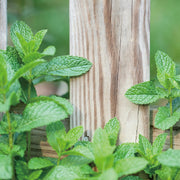
Some hydrolats also taste delicious, such as blood orange and peppermint. Adding a tablespoon or two to a glass of water makes a refreshing drink! *
*Though hydrolats do contain trace amounts of essential oils, the quantity of oil present is so small that it doesn’t render the hydrolat unsafe to drink. That said, some are unsuitable for drinking either because they don’t taste good, or their components are too strong. Check each hydrolat’s individual product page on our website to see its specific safety guidelines.
Benefits & uses of hydrolats

Hydrolats can add so much natural beauty to your daily life!
For example, you can incorporate them in your skin care. Use them to make water-based cleansers, and to tone your skin to help reduce breakouts. If your face often feels warm and red, a few sprays with lavender or rose hydrolat as facial toners can help quiet your complexion and cool you down.
Hydrolats are also excellent aromatherapy products for natural cleaning. Use them to freshen your home by themselves, or blend with them to customize your own cleaning products. Learn more in chapter 4 of our free learning guide, Going green at home: Natural cleaning with essential oils:
Along with using them as skin care products or for natural cleaning, here’s a short list of more ways you can use hydrolats every day…
- Air freshener
- Belly support
- Beverage flavoring
- Care for damaged, sore skin
- Cool hot, tender skin
- Calming facial toners
- Immune support
- Insect repellent
- Linen spray
- Lymph support
- Open your breath
- Perfume sprays
- Relieve stress and anxious feelings
Hydrolat safety & storage
Since they’re water-based products, hydrolats are best stored in a sterile, cool environment to avoid bacterial growth. (They’re perfect candidates for the refrigerator!)
If they’re stored well, hydrolats can have a shelf life of 1 to 2 years.
Any time you’re pouring a hydrolat from one container into another, it’s best to sterilize your new container with grain alcohol first. And if you ever notice any kind of bloom forming in your hydrolat—or in blends you’ve made with hydrolat—don’t hesitate to throw that product away and replace it with a fresh batch.
Using hydrolats with kids
Caring for children and babies naturally becomes a lot less confusing if you have hydrolats to work with!
At Aromatics, we don’t usually recommend using essential oils for babies. Essential oils are simply too highly concentrated, and babies’ systems are very sensitive and responsive. It’s too easy for them to get overwhelmed. Hydrolats are a safer choice for babies’ delicate skin. Use a few sprays of German chamomile to comfort a baby’s skin during diaper rash, or put a bit of lavender artisan hydrolat on a cotton ball to dab tenderly at baby acne.
If you’re reluctant to diffuse essential oils around a baby, try using hydrolat in your diffuser instead of water. These essential oil counterparts make the room smell amazing, and their fragrances are gentle enough for a baby to breathe in.
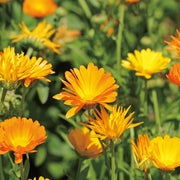
For bigger kids, hydrolats come in handy for minor bumps, bruises, and scrapes they get while running around. If the skin is broken, be sure to wash the area with soap and water first… then spray it with helichrysum, calendula, or frankincense hydrolat.
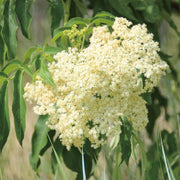
Kids love the taste of some hydrolats, too. A spoonful of peppermint hydrolat in a glass of water can help soothe their bellies, while a dash of elderflower can support immunity.
Hydrolat recipes
Get started using hydrolats in your daily life with these simple DIY recipes!
- Sensitive Skin Acne Relief Spray
- Tough Scrapes Spray
- Sweet Bandits Surface Spray
- Refreshing Rose Body Spray
- Allergy Reducing Room Spray
- Go Away Bugs Spray
What to look for in a quality hydrolat
Most producers treat hydrolats as merely a by-product of essential oil distillation. (Some even throw the hydrolat away.) This results in a lower quality hydrolat with lowered effectiveness, because the distillation session isn’t allowed to continue for the right length of time to create a higher quality product.
At Aromatics, we distill our lavender specifically for hydrolat.
Our good friend Ann Harmon, one of the world’s foremost experts on hydrolats, taught us this natural art form.
One of our hydro distillation sessions can go on for an entire afternoon as we patiently allow the plant to release all of its water-soluble therapeutic components into a floral water.
Those hydrolats that we don’t personally distill, we get from close friends who follow Ann Harmon’s innovative process of distilling other plant material to craft the finest hydrolats in the world.
Learn more about hydrolats
One of our most popular homemade hydrolats is lavender. You can read all about the experience of harvesting lavender flowersand crafting artisan hydrolat in our post, The Secret Joy of a Lavender Harvest. We also documented our harvest and distillation process on video. See the action here!

Learn more about how we harvest and distill our certified organic lavender in the untouched environment of the Rocky Mountains.
Enjoy the process of learning about hydrolats, and incorporating these delicate yet strong aromatic waters into your aromatherapy practice!!!!